Barbie Chubby: A Quirky Display Font for Creative Branding
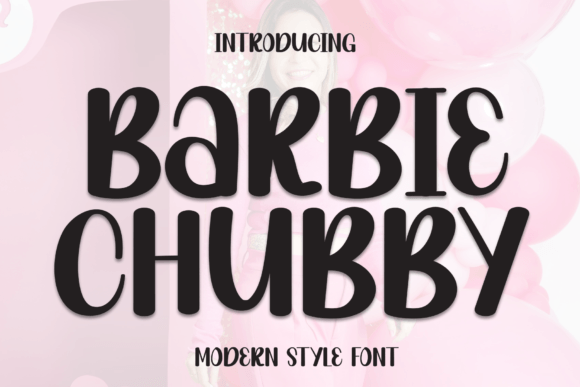
I was working on a brand identity for a small handmade soap shop when I first stumbled upon Barbie Chubby. It wasn’t the typical display font I usually go for, but something about its playful curves and bold personality made me pause. As a graphic designer, I know that choosing the right font can set the tone for an entire brand. And with Barbie Chubby, it felt like I had found a perfect match for this cozy, artisanal business.
Barbie Chubby in Logo Design for Handmade Brands
From the start, Barbie Chubby stood out as a great fit for the logo. The name of the shop was “Bloom & Co,” and the font’s whimsical feel matched the brand’s organic, natural vibe. I tested it on a few mockups, placing it alongside simple illustrations of flowers and leaves. The contrast between the quirky display font and the soft, hand-drawn elements worked beautifully. It gave the logo a sense of charm without being too over-the-top.
One thing I noticed early on was how well Barbie Chubby performed at smaller sizes. Even on a business card or label sticker, the font remained legible and didn’t lose its character. That’s a big plus when you’re designing for packaging or printed materials.
Barbie Chubby for Social Media Graphics and Website Headers
Next, I moved on to the digital side of the brand. The client wanted their Instagram posts and website headers to reflect the same playful yet professional tone. I used Barbie Chubby as the main font for headlines, especially for promotional posts like “New Arrival” or “Limited Edition.” It added a fun twist that caught attention without overwhelming the content.
For the website hero section, I paired Barbie Chubby with a clean sans serif font for body text. This combination helped maintain visual hierarchy and readability while keeping the brand’s voice consistent. It also made the site feel more approachable, which is exactly what the client wanted.
Barbie Chubby in Packaging Design and Product Labels
When it came to designing product labels and packaging, Barbie Chubby proved to be a versatile choice. I experimented with using it on jar labels, gift boxes, and even sample cards. Its bold and slightly rounded letters gave the packaging a friendly, inviting look that aligned with the brand’s values.
One thing I learned was that Barbie Chubby works best in short-form text. Long paragraphs or dense blocks of text could make the design feel cluttered. But when used sparingly—like on a tagline or product name—it shone. I also made sure to check if the font supported multilingual characters, which it did, so it was safe to use across different markets.
Barbie Chubby for Branding Posters and Flyers
Creating a poster for a local pop-up event was another opportunity to test Barbie Chubby. I used it for the headline “Welcome to Bloom & Co” and paired it with a minimalist sans serif for supporting details. The result was eye-catching and immediately conveyed the brand’s personality. It didn’t take long for the client to notice how the font helped differentiate them from competitors.
On flyers, I experimented with different weights and styles included in the font package. Some variations were bolder, others had a softer touch. This flexibility allowed me to create a cohesive look across different formats, from large posters to small-sized stickers.
Barbie Chubby in Editorial Design and Print Materials
Even though Barbie Chubby is a display font, I found that it could still work well in editorial design when used thoughtfully. For example, I used it in a booklet that explained the brand story. It was placed on the cover and in a few subheadings, giving the publication a unique flair that stood out from traditional layouts.
However, I always made sure not to overuse it. Keeping the font reserved for key elements like titles and taglines helped maintain professionalism. It was important to ensure that the overall design didn’t feel too casual for the target audience.
Barbie Chubby for Merchandise and Commercial Assets
The final step was designing merchandise like tote bags, mugs, and coasters. Here, Barbie Chubby really came into its own. The font’s distinctiveness made it ideal for branding on products. It was instantly recognizable and helped reinforce the brand’s identity across all touchpoints.
I also considered font pairing here. Using a complementary script font for accents or adding a serif font for longer text created a balanced and polished look. It showed that even a quirky font like Barbie Chubby could be part of a larger, professional design system.
If you're looking for a display font that adds personality without sacrificing professionalism, Barbie Chubby is worth testing. Whether you're designing for a small café, boutique, or creative studio, this font has the potential to elevate your project and leave a lasting impression on your audience.