School Retro Font for Nostalgic Editorial Designs
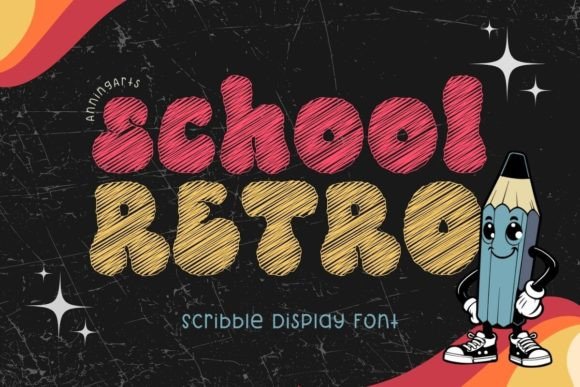
Choosing the right font for a magazine cover can feel like finding the perfect pair of shoes—something that fits just right, elevates the look, and makes you feel confident. When I recently redesigned the header for a lifestyle blog with a retro twist, I stumbled upon School Retro, a Display font that instantly brought back memories of chalkboards, backpacks, and the first day of school. It’s not just a Fonts choice; it’s a design decision that tells a story.
School Retro for Lifestyle Blogs and Vintage-Themed Content
School Retro is more than a Display font—it's a nostalgic whisper in the world of typography. With its playful curves and groovy lettering, it feels like stepping into an old classroom filled with creativity and curiosity. I used it for the main title of the blog’s new redesign, and it immediately gave the layout a warm, inviting vibe. The font’s rhythm and personality helped set the tone for the content without overpowering it.
What stands out about School Retro is how it balances whimsy with readability. While it’s definitely not suited for dense paragraphs or small text, it shines as a headline or pull quote. For this project, I paired it with a clean sans serif font for body copy, which created a harmonious contrast and improved overall readability. It felt like the perfect blend of modern editorial design and vintage charm.
School Retro for Recipe Ebooks and Cozy Branding
When I tested School Retro in a recipe ebook layout, I was surprised by how well it worked for chapter titles and section headers. The font added a sense of nostalgia that aligned perfectly with the theme of the book—a collection of family recipes passed down through generations. It didn’t feel too casual or too formal, which made it ideal for a publication that wanted to feel both personal and professional.
I also noticed that School Retro had a nice visual weight that made it stand out on the page. This was especially useful when designing decorative accents or callout boxes. However, I made sure to avoid using it for longer blocks of text, as the script style could become hard to read in extended passages. For smaller captions and footnotes, I relied on a simple serif font to keep things clear and consistent.
School Retro for Coaching Workbooks and Educational Materials
In another project, I used School Retro for the title pages of a coaching workbook focused on personal development. The font’s playful yet structured appearance helped reinforce the idea that learning could be fun and engaging. I found that it worked particularly well for headings like “Chapter 1: Setting Your Goals” or “Week 3: Building Healthy Habits.”
One thing to consider when using School Retro in educational materials is its legibility on different platforms. I tested it across mobile devices, PDF exports, and print versions, and it held up well in all formats. However, I still recommend pairing it with a more readable font for body text, especially if the audience includes younger readers or those with visual impairments.
Another benefit of using School Retro in a coaching context is its ability to create a unique brand identity. It helped distinguish the workbook from generic self-help guides and gave it a distinct personality. That kind of visual consistency is crucial for building trust and recognition in any publication.
School Retro for Digital Magazines and Creative Typography
For a digital magazine layout focused on retro culture, I experimented with School Retro in various ways. It worked beautifully as a main headline for feature articles and even as part of a pull quote. The font’s nostalgic feel complemented the magazine’s theme, and it helped draw the reader’s attention to key sections.
I also discovered that School Retro has a subtle variation in stroke width that adds depth and character to the design. This detail made it stand out against solid backgrounds and allowed me to use it creatively in layouts without sacrificing clarity. However, I made sure to limit its use to decorative elements rather than overloading the page with too many instances of the font.
If you're considering School Retro for your next editorial project, I would highly recommend checking the included styles, alternates, and file formats to ensure it meets your needs. Whether you're designing a newsletter graphic, a printable planner, or a course PDF, this Display font offers a unique way to express creativity while maintaining a strong editorial presence.