Tradition: A Handwritten Font for Thoughtful Editorial Design
Tradition for Lifestyle Blog Headers and Personal Branding
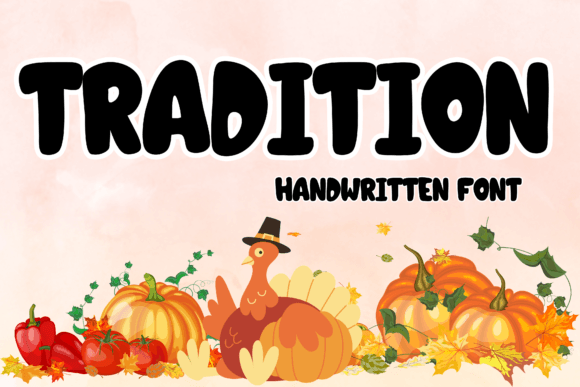
As I sat down to redesign the header for my lifestyle blog, I was drawn to the warmth of Tradition, a handwritten font that feels like it was crafted with care. The soft curves and gentle strokes of Tradition immediately brought a sense of intimacy and authenticity to the layout. As a Display font, it stood out just enough to draw attention without overwhelming the reader. It felt perfect for a blog that focuses on mindfulness, self-care, and daily inspiration.
I tested Tradition against several other fonts, but nothing else had that personal touch. Using Tradition in the header gave the blog a voice — one that felt like a friend sharing thoughts over coffee. For bloggers and content creators, this kind of connection can be powerful. It's not just about looking good; it's about feeling right.
Tradition for Recipe Ebook Titles and Culinary Content
Next, I turned my attention to a new recipe ebook project. The challenge was to create a title that felt both inviting and trustworthy. Tradition came into play once again. Its handwritten feel added a personal touch that made the title feel more like a handwritten note from a grandmother than a mass-produced book cover.
Pairing Tradition with a clean sans serif font for body text created a great balance between readability and charm. This combination is ideal for Fonts used in long-form content where visual hierarchy matters. The handwritten style worked especially well for chapter titles and section headers, adding a layer of personality without sacrificing clarity.
For an audience that values home-cooked meals and family recipes, Tradition helped build a stronger emotional connection. It’s not just a font; it's a storytelling tool.
Tradition for Wedding Guide Covers and Event Branding
When designing a wedding guide for a boutique event planner, I knew the font choice would set the tone for the entire publication. Tradition was the natural fit. Its elegant and organic look captured the essence of love and celebration. As a Display font, it provided the right amount of flair for headlines and pull quotes while maintaining a level of sophistication.
The use of Tradition in the main title and subheadings helped create a cohesive visual identity. When paired with a serif font for body copy, it allowed for a smooth transition between decorative and readable elements. This approach is common in editorial design, where Fonts are used strategically to enhance both aesthetics and functionality.
For event branding, Tradition proved to be versatile. It could be used in invitations, program covers, and even social media graphics, making it a valuable asset for any designer working in the events space.
Tradition for Coaching Workbooks and Educational Materials
In a recent coaching workbook project, I wanted to make the content feel approachable and encouraging. Tradition was the go-to choice for section headings and motivational quotes. Its handwritten nature gave the workbook a friendly, conversational tone that resonated well with the target audience.
I found that using Tradition in key areas like chapter openers and activity prompts helped reinforce the message of the workbook. It also supported a consistent brand identity across different sections. For educational materials, readability is essential, and I made sure to pair Tradition with a clear, legible font for body text.
This careful font pairing is crucial in Editorial Design. It ensures that the visual appeal doesn't come at the cost of usability. Tradition played a subtle but important role in guiding the reader through the content with ease.
Tradition for Printable Planners and Daily Organizers
When creating a printable planner for a wellness brand, I needed a font that felt both personal and professional. Tradition was the perfect match. Its clean yet expressive style made it ideal for date headers, weekly calendars, and motivational notes. As a Display font, it added character without becoming distracting.
I experimented with using Tradition in different sizes and weights to see how it performed in various contexts. It worked well as a heading font and even looked great when used sparingly in decorative accents. For planners and organizers, the goal is to make information easy to scan, and Tradition helped achieve that balance.
Its versatility made it a great choice for printables that needed to work across different formats — from PDF downloads to physical prints. With proper font licensing, Tradition can be a reliable asset for any digital product creator.
Tradition for Newsletter Graphics and Subscription Content
In the world of newsletters, first impressions matter. I used Tradition in the header of a monthly subscriber update to create a warm and welcoming atmosphere. Its handwritten feel helped establish a personal connection with readers, which is especially important in subscription-based content.
Using Tradition for section titles and pull quotes added visual interest without compromising readability. I paired it with a modern sans serif font for captions and navigation links, ensuring a seamless flow throughout the newsletter.
For designers who want to stand out in the crowded world of email marketing, Tradition offers a unique way to elevate the design while keeping the focus on the content. It's a great example of how thoughtful font choices can enhance the overall user experience.